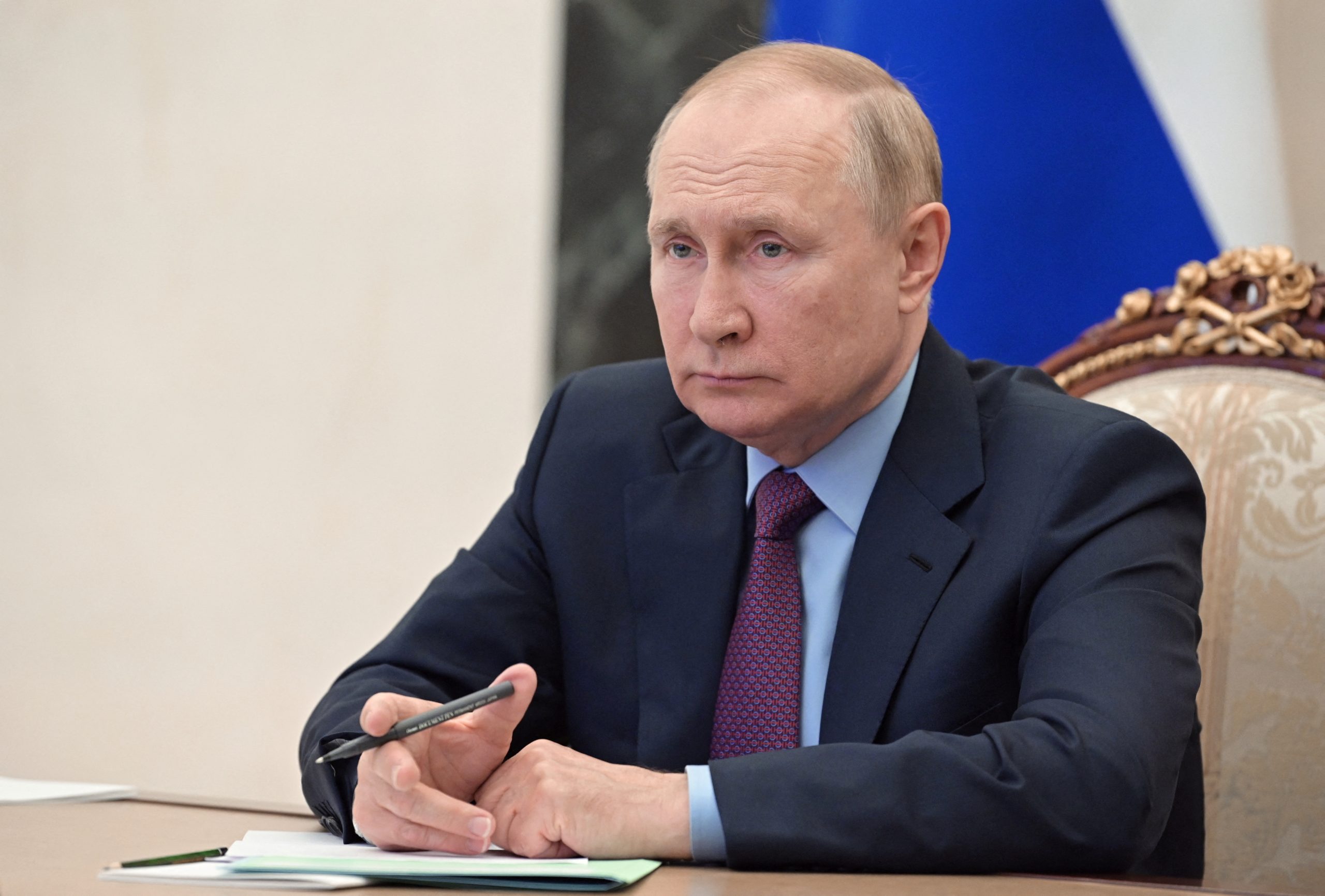

MOSCOW – Russia has officially scheduled the presidential election for March 17, a move widely anticipated to pave the way for Vladimir Putin‘s continued dominance.
The decision was unanimously approved by the upper house of parliament in a live broadcast on Russian television, marking the commencement of the presidential campaign, as noted by Valentina Matvienko, the head of the chamber.
Putin, a former KGB agent, has held power in Russia as either president or prime minister since 1999.
While the 71-year-old leader has not formally announced his candidacy for another six-year term, speculation is rife as the date for the election is set.
Putin is expected to address the public during an end-of-year press conference next week, potentially making his official candidacy announcement.
This upcoming election will be the first since Putin ordered Russian troops into Ukraine in February 2022, leading to the annexation of Ukrainian regions, including Lugansk, Donetsk, Kherson, and Zaporizhzhia, despite lacking full control over them.
The voting process is planned to extend to these contested regions.
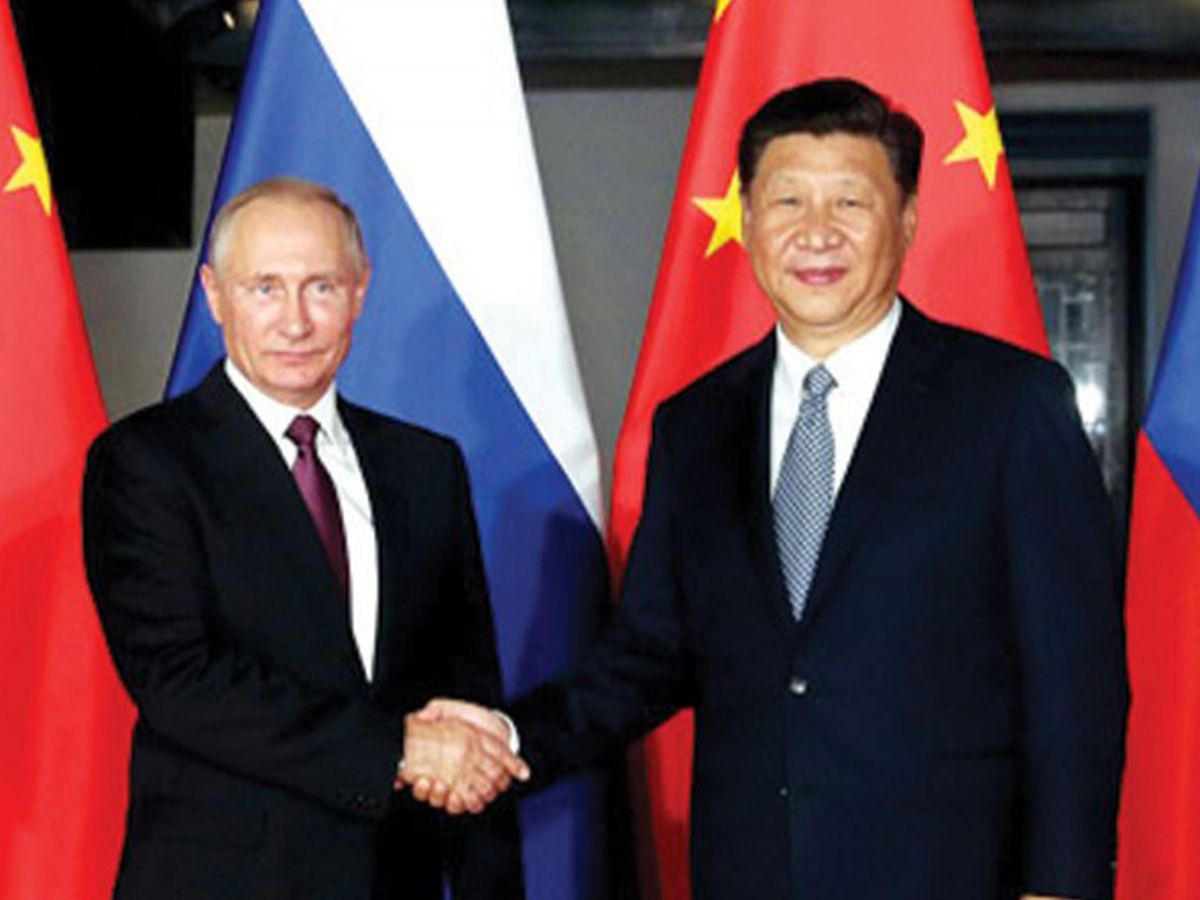
Russia ‘united like never before’
Valentina Matvienko emphasized the unity of Russians around Putin’s government amid external challenges, stating, “Despite the difficult external circumstances and the attempts by the enemy to weaken Russia, we remain true to our main constitutional values.”
She underscored the trust in Putin’s leadership and the state’s responsibility to prove worthy of this trust while preventing any provocations.
If Putin chooses to run and secures a fifth presidential term, it will be in line with constitutional changes made in 2020, allowing him to potentially stay in power until 2036.
Despite becoming a pariah among Western leaders due to his involvement in Ukraine and facing unprecedented sanctions, Putin’s confidence has grown recently with fraying Western support for Ukraine and Russia’s economic resilience.
Putin’s political strategy has included brief stints as prime minister between his presidential terms, navigating constitutional constraints.
Under his rule, Kremlin has experienced a shift towards authoritarianism and nationalism, with dissent largely silenced through imprisonment, exile, or mysterious deaths.
The war in Ukraine has led to intensified crackdowns on opponents, utilizing legislation to outlaw criticism of the military.