
HARARE – The National Railways of Zimbabwe (NRZ) is potentially losing a significant portion of its revenue to the transportation of bulk goods via haulage trucks, while the sustainability of the country’s road network has become a pressing concern.
Operational inefficiencies within NRZ have led to the increased use of haulage trucks as an alternative means of transporting bulky goods.
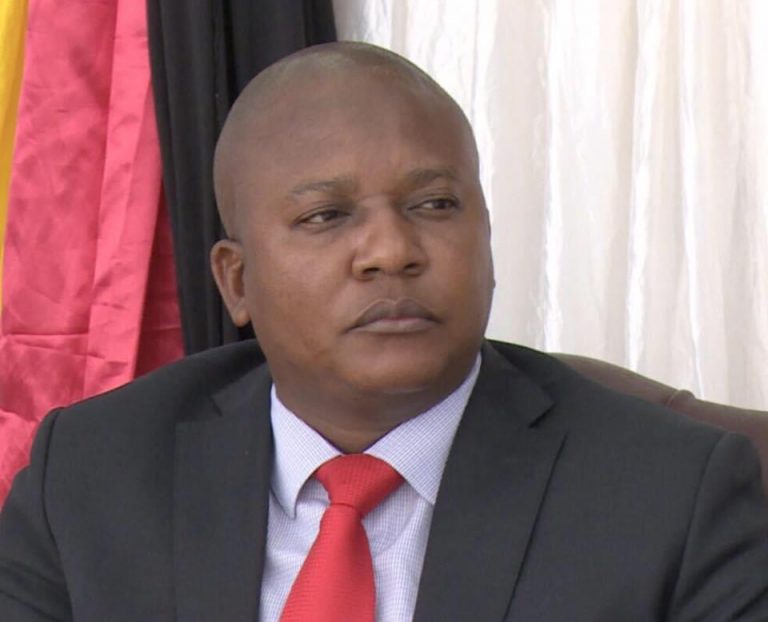
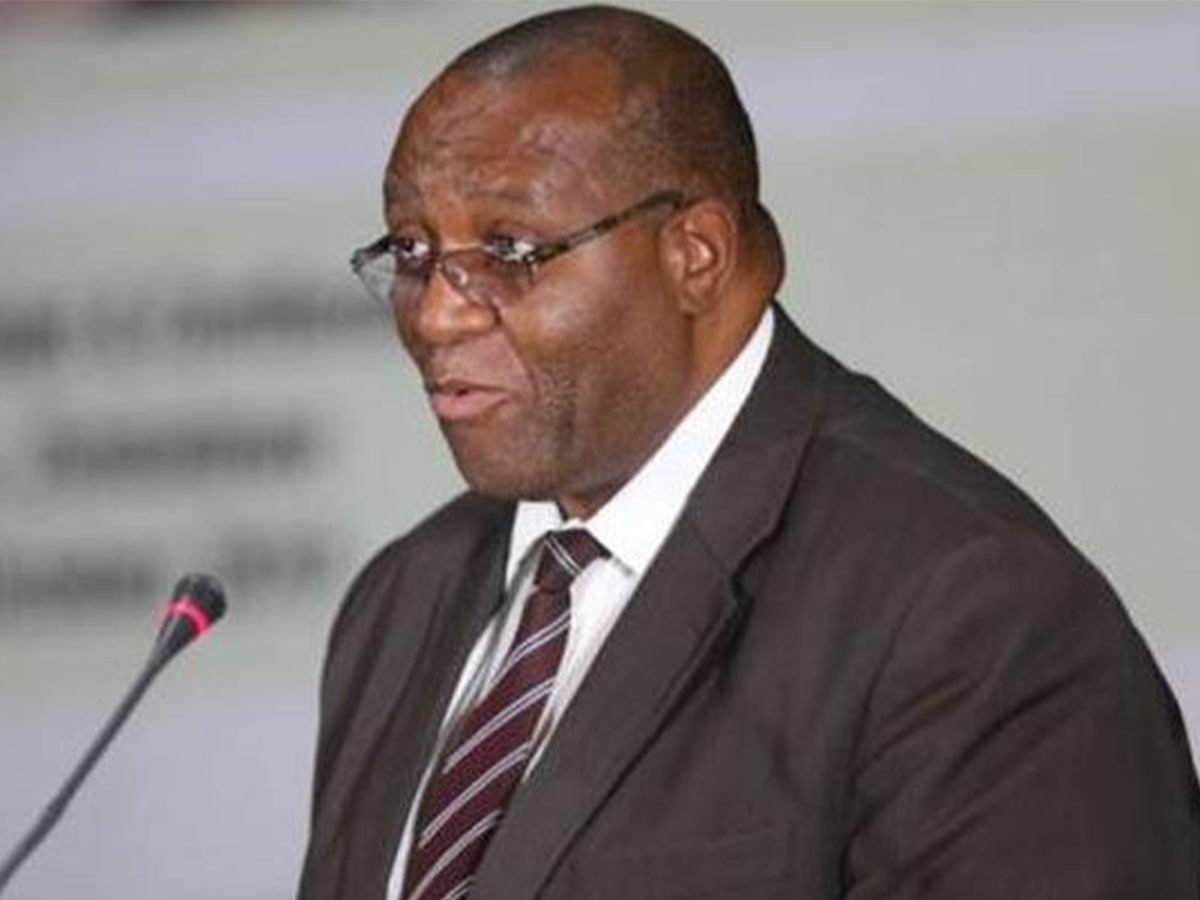
Mike Madiro, the newly appointed NRZ board chairman, has suggested that the railways company may be incurring substantial financial losses due to the reliance on road transportation.
Additionally, the costs associated with maintaining Zimbabwe’s road network, which often suffers damage from haulage trucks, are outweighing the investments directed towards road rehabilitation projects.
Madiro highlighted the impact of this situation on the country’s economy: “We have not yet undertaken that type of analysis, but you can imagine that the current forward movement of our economy is largely being serviced by road.
“For example, the high volumes of fuel consumption in this country at the moment are being serviced by road, and that’s why it has created a logjam.”
While specific figures were not provided, Madiro emphasized the significance of the issue, particularly in relation to the importation of trucks.

He said, “The number of trucks being imported into this country by business people will tell you that there is a real business opportunity, which, in terms of cost build-up, affects the price of goods and services in the market.”
Madiro underlined the importance of finding domestic solutions to address the challenges faced by NRZ, such as rail infrastructure issues, signal equipment limitations, and rolling stock challenges.
Addressing these issues, he noted, would have a direct impact on the pricing structure of goods and services.
However, the negative impact of using road transportation on the country’s road network is also a pressing concern.
Madiro emphasized the need to balance road maintenance investments with the long-term sustainability of the road network, especially given the significant investments made by the government in road infrastructure.
In conclusion, the NRZ and the government must seek effective and sustainable solutions to optimize transportation and preserve the country’s road network while minimizing financial losses.
The economic well-being and future development of Zimbabwe greatly depend on such initiatives.