HARARE – In response to weeks of regional lobbying and growing criticism over perceived inaction, the Southern African Development Community (SADC) has finally scheduled an extraordinary meeting to discuss Zimbabwe’s disputed elections.
The meeting offers a glimmer of hope for a solution to the nation’s ongoing political crisis.
At the upcoming Tuesday meeting, SADC leaders will also address recent elections in Eswatini and the political and security situation in the Democratic Republic of Congo.
Judith Kateera, SADC Deputy Executive Secretary for Corporate Affairs, confirmed the virtual summit will be coordinated from Angola in an internal memo to all SADC Foreign Affairs ministers.
Kateera explained, “Following consultations with H.E João Manuel Gonçalves Lourenço, President of the Republic of Angola and the Chairperson of SADC, I wish to humbly convey, on behalf of His Excellency, that the Extraordinary summit of SADC Heads of State and Government, which was to be convened virtually on 25 October 2023, has now been rescheduled to take place virtually on 31 October 2023.”
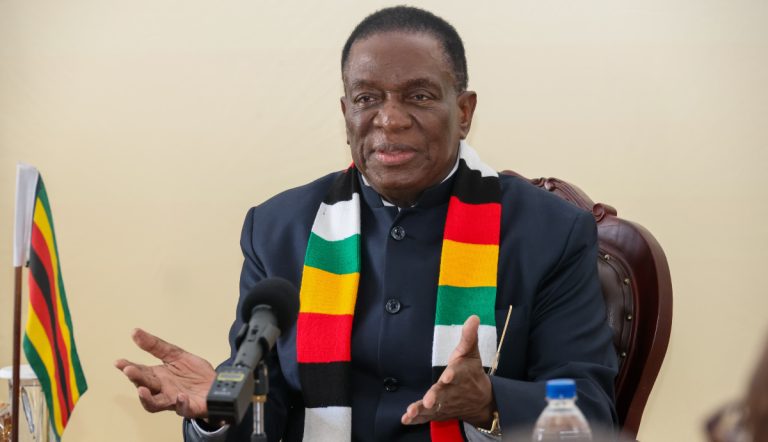
Zimbabwe held harmonized elections in August, which saw President Emmerson Mnangagwa declared the winner with a disputed 52.6 percent majority vote.
However, both SADC and other international observer missions rejected the poll outcome as fraudulent.
Mnangagwa’s main challenger, Nelson Chamisa, who polled 44 percent of the vote, also contested the results.
The SADC observer mission (SEOM), led by former Zambian Vice President Nevers Mumba, released a candid report concluding that the election failed to meet the benchmarks set by both SADC and international standards for a free and fair plebiscite.
The SEOM report stirred controversy and criticism from Zanu PF and government officials, particularly aimed at Nevers Mumba for his role in exposing the shortcomings of the election process.
SADC’s perceived failure to address Zimbabwe’s recurring political crisis has led to mounting criticism from opposition parties and civil groups in the region, who have questioned the effectiveness of the organization.
Despite this fresh opportunity to address Zimbabwe’s political situation, expectations remain low, given the history of the region’s leaders’ limited action on such matters.
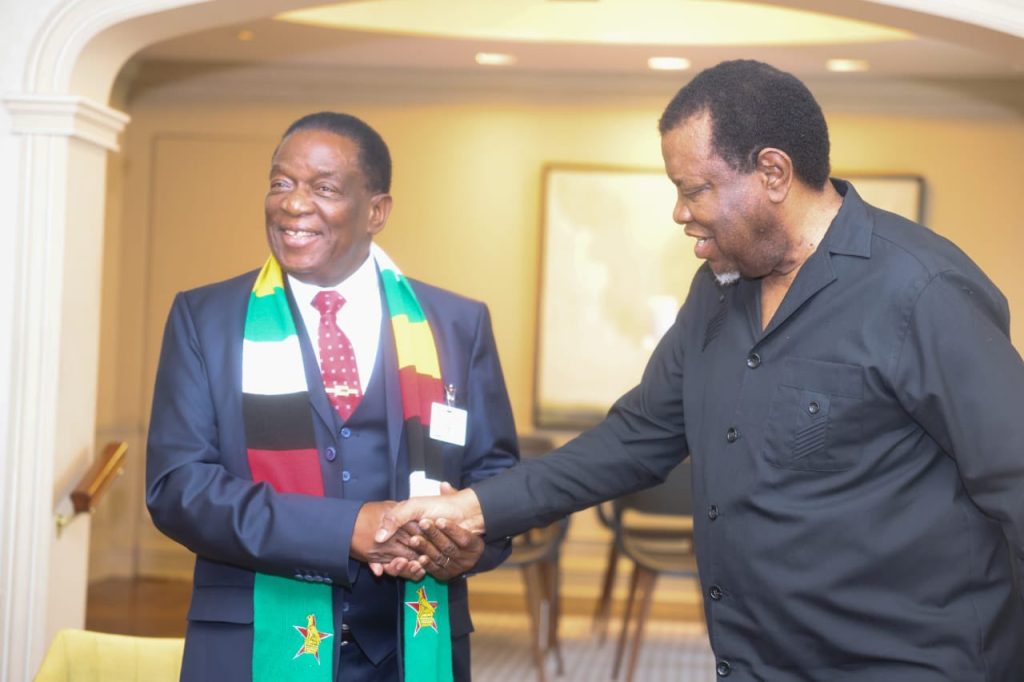
Last month, President Mnangagwa held private meetings with the bloc’s leaders during the UN General Assembly in New York, seen as an attempt to mitigate widespread condemnation over the chaotic poll.
While the details of these discussions remain confidential, there is a sense that regional leaders may be seeking to manage the ongoing challenges rather than offering concrete solutions.