JOHANNESBURG – Double 800 meters Olympic champion Caster Semenya‘s fight for gender equality in sports took a significant step forward as the European Court of Human Rights (ECHR) announced that her case would be heard by its Grand Chamber for a final ruling.
The decision came following a referral request from the Swiss government.
Semenya, who is 32 years old, has been a prominent figure in the quest to challenge World Athletics’ regulations that require female athletes with differences in sexual development (DSDs) to medically reduce their testosterone levels.
She contends that the regulations amount to discrimination against athletes with hyperandrogenism, a condition characterized by higher than usual levels of testosterone.
The condition can increase muscle mass and strength.
The ECHR had previously ruled in favor of Semenya in July this year by a majority of four to three, stating that her appeal to the Swiss Federal Court in 2020 had not been properly heard.
However, this ruling was not against the World Athletics regulations.
The Swiss government’s referral will now be reviewed by the full 17-member ECHR Grand Chamber.
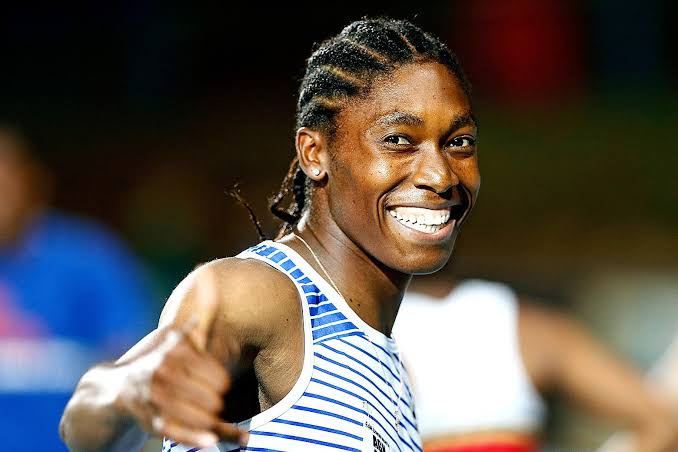
Semenya fights for next generation
Semenya, who expressed last month that her competitive running days might be over, remains resolute in her legal battle against World Athletics.
She sees her struggle as fighting for justice, not just for herself but for the upcoming generation of athletes affected by these regulations.
“It is no longer about me fighting to compete; it is about fighting for what is right,” Semenya said.
“Fighting for the upcoming generation, because there are a lot of kids that are affected by the same ruling. This battle will not finish now. We will fight until the end.”
World Athletics maintains that their regulations are essential to ensure a level playing field in women’s sports, arguing that the protection of the female category is their primary motivation.
“World Athletics has only ever been interested in protecting the female category. If we don’t, then women and young girls will not choose sport,” a spokesperson for the organization was quoted by Reuters.
“That is, and has always been, the federation’s sole motivation for the regulations.”
Semenya’s case has drawn widespread attention and sparked important discussions about gender, identity, and equality in sports.
The final ruling by the ECHR‘s Grand Chamber will likely have significant implications for the future of women’s athletics and the treatment of athletes with DSDs.