
LAGOS – Nigerians will on Saturday, elect a new leader to succeed President Muhammadu Buhari in a historic contest between the three front-runners for the presidency of Africa’s most populous nation.
Nigeria has been under Buhari’s leadership for eight years, and despite these challenges—attacks by jihadists and separatists, a sluggish economy, and rising poverty—many Nigerians are still eager for change.
Following the overthrow of West Africa’s democratic institutions in Mali and Burkina Faso and the spread of Islamist militants north of Nigeria’s Gulf of Guinea neighbours, the election on February 25 will be carefully watched.
Nigeria may have become known for the world’s second-largest film business, Nollywood, and for Afrobeats, which gave rise to international music stars Burna Boy and Wizkid, thanks to megacity Lagos.
However, a perplexing array of security and financial issues will be passed down to the new leader of Africa’s biggest economy and top oil producer.
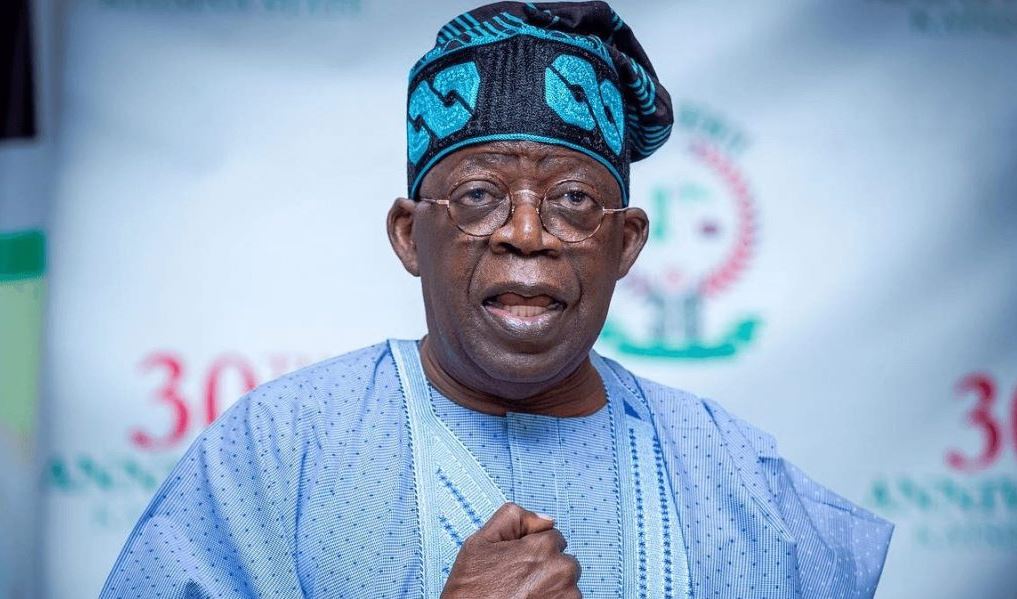
Buhari’s governing All Progressives Congress (APC) has 70-year-old Bola Tinubu, a longtime kingmaker who declares, “It is my turn,” citing his achievement as governor of Lagos.
Atiku Abubakar, 76, a contender for the opposition Peoples Democratic Party (PDP), boasts of his business savvy to “rescue” Nigeria and is making his sixth attempt to win the presidential villa at Aso Rock.
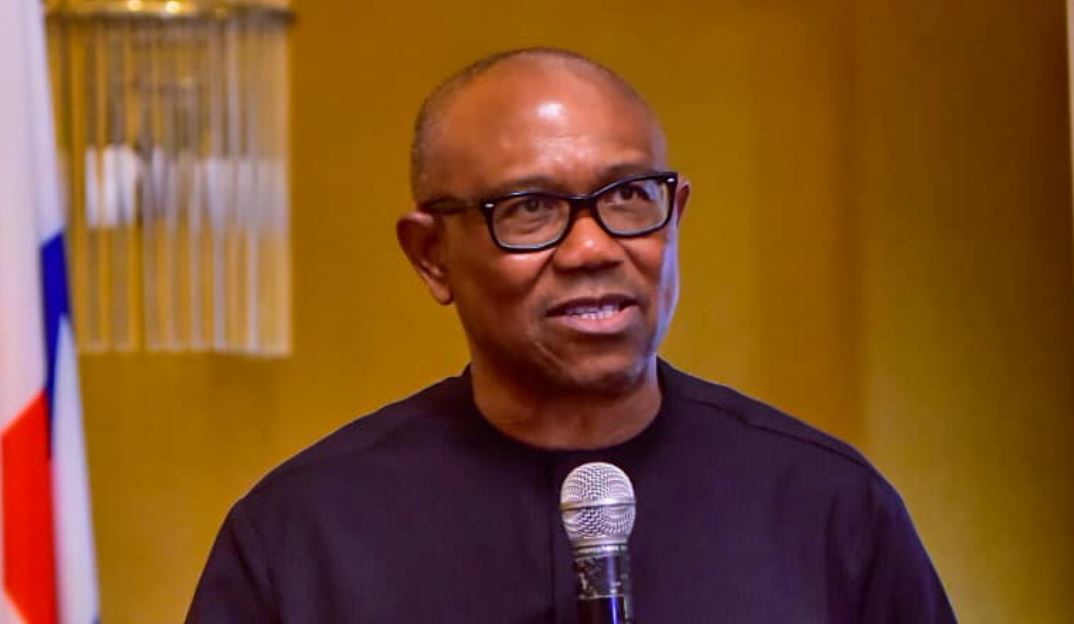
Peter Obi of the Labour Party, a surprise third candidate, has overthrown the APC and PDP’s dominance by appealing to younger voters.
The surprise Obi factor makes this Nigerian election the most unpredictable in recent memory and possibly even the first run-off election since the end of military government in 1999.
Possible runoff in Nigeria’s 2023 elections
Elections in Nigeria are frequently marred by bloodshed, political and ethnic unrest, as well as logistical issues.
In 2019, voting was postponed by the Independent National Election Commission (INEC) for a week before polling places opened.
The director of INEC claims that the vote on Saturday will proceed as scheduled despite warnings from armed groups that there may be violence, fuel and money shortages.
More than 93 million people are eligible to cast ballots in the presidential election on Saturday, in addition to the parliamentary and senate elections.
A younger electorate that will have a significant impact if they vote has enrolled nearly 10 million new voters, the majority of whom are under the age of 34.
In 2019, only about 35% of eligible voters cast ballots.
On Saturday, polls will open at 8:30 am (07:30 GMT) and conclude at 2:30 pm while results are anticipated starting on Sunday.
A candidate must receive the most votes and receive at least 25% of the vote in at least two-thirds of Nigeria’s 36 states and the federal capital region in order to obtain the presidency.
That represents the ethnic makeup of a country with three major ethnic groups—Yorubas predominately in the south-west, Hausas in the north, and Igbos in the southeast—and that is divided between a predominantly Muslim north and a Christian south.
Given how closely the campaign is going, some experts have already predicted that there may be an unprecedented second-round run-off, which would take place in 21 days.
- RosGwen24 News/ Zambia Today/ additional report by AFP