HARARE – The Zimbabwean government has unveiled plans to reinstate the controversial National Youth Service (NYS), colloquially known as the Border Gezi Youth Militia training program.
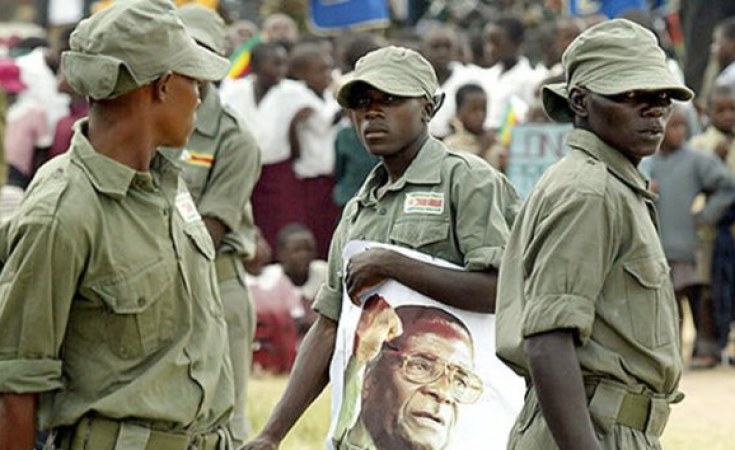
Originally established in the early 2000s, the NYS, often referred to as the Green Bombers, gained notoriety for its association with mandatory military training and allegations of violence during elections, particularly in rural areas.
The program was initially created by late youth minister and Zanu PF stalwart Border Gezi, attracting criticism for its links to political ideology and election-related violence.
The NYS, known for its green training uniforms, was suspended in 2007 due to financial constraints.
Deputy Youth Minister Kudakwashe Mupamhanga recently revealed that discussions were underway to revive the NYS but assured that the proposed program would differ significantly from its predecessor.
He stated, “We intend to bring back the National Youth Service and are still at the consultation stage.”
Mupamhanga emphasized that the re-introduction plans align with the Youth Bill, adding, “We want to have a volunteer component to enable these young people to receive training and empowerment, as well as lessons about our culture and identity, as well as volunteering for the betterment of the country.”
Despite these assurances, civil society organizations have expressed reservations about the potential return of the NYS, fearing it could be exploited as a political tool for violence.
The original NYS faced allegations of terrorising, assaulting, raping, and killing opposition supporters during elections.
The deputy minister acknowledged the concerns but maintained that consultations were ongoing, involving multiple ministries through an inter-ministerial arrangement.
He stated, “There will be a lot of back-and-forth consultations on the matter.”
The proposed revival of the NYS has reignited debate about its potential impact on Zimbabwe’s political landscape and the safety of participants.
Critics argue that the program could be misused to suppress opposition and perpetrate violence, echoing past controversies associated with the youth militia.