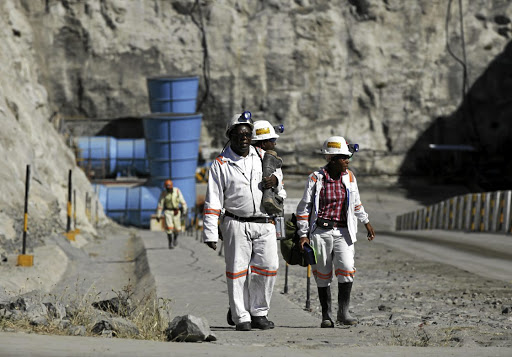

MANDAVA – Platinum group metals (PGM) production at Mimosa at 57,342 4Eoz during the half year to June 2023 was in line with H1 2022 level, parent company Sibanye-Stillwater said.
In its half-year 2023 update, Sibanye said the focus at Mimosa has been to optimize the processing plant and recoveries, which has been successful, with the yield increasing in recent periods.
“Despite the stable production, all-in-sustaining costs (AISC) of US$1,278/4Eoz were 31 percent higher year-on-year, due to a 47 percent increase in sustaining capital to US$28 million, primarily associated with the processing plant optimization and construction of a new tailings storage facility (TSF) as the existing TSF is reaching its capacity,” the group said.
The Mimosa plant optimization and the new TSF were completed during H1 2023.
Mimosa mine operates on the southern portion of the Zimbabwean Great Dyke and is currently one of the lowest-cost primary producers in the industry.
Zimbabwe is considered to have the world’s second-largest PGM resource, after South Africa, on the Great Dyke.
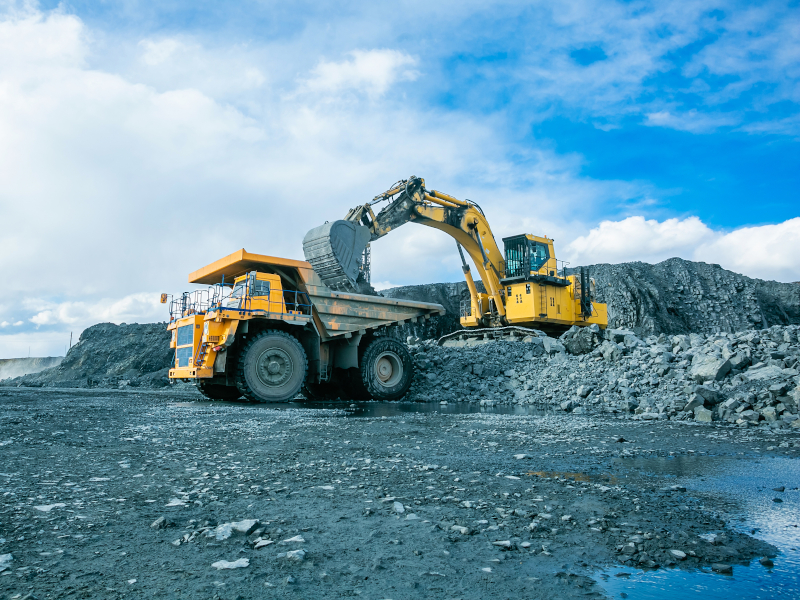
Platinum miners currently export the mineral to South Africa for refinement, largely in a raw or semi-processed state, which the government argues deprives the country of significant potential revenues.
In addition to existing producers, new PGM projects are at different stages of implementation.
Karo Resources, which signed a US$4,2 billion platinum deal with the Zimbabwe government in 2018, will become the fourth platinum producer in Zimbabwe, while another one, Bravura, is also on target for platinum production.
According to the World Platinum Investment Council (WPIC), the country holds the second-largest platinum deposits after South Africa.
Meanwhile, Zimbabwe is envisioning a US$12 billion mining industry by 2023. Of the US$12 billion, gold, platinum, and diamonds will contribute US$4 billion, US$3 billion, and US$1 billion, respectively.
Chrome, iron ore, and carbon steel will contribute US$1 billion, while coal and hydrocarbons will do the same.
Lithium contributes US$500,000, while other minerals will constitute US$1.5 billion.
- the article first appeared on BH24